Top-Rated Plumbing Services: Your Comprehensive Guide to Expert Plumbing Solutions
Navigating plumbing issues can be difficult for homeowners. Highly-rated plumber services provide essential guidance to secure reliable solutions. Understanding the key traits of a dependable plumber is critical. This knowledge can avert costly repairs and boost the longevity of plumbing systems. However, the challenge lies in identifying the right service for individual needs. What factors should one consider to make an informed choice? The answer may shock you.
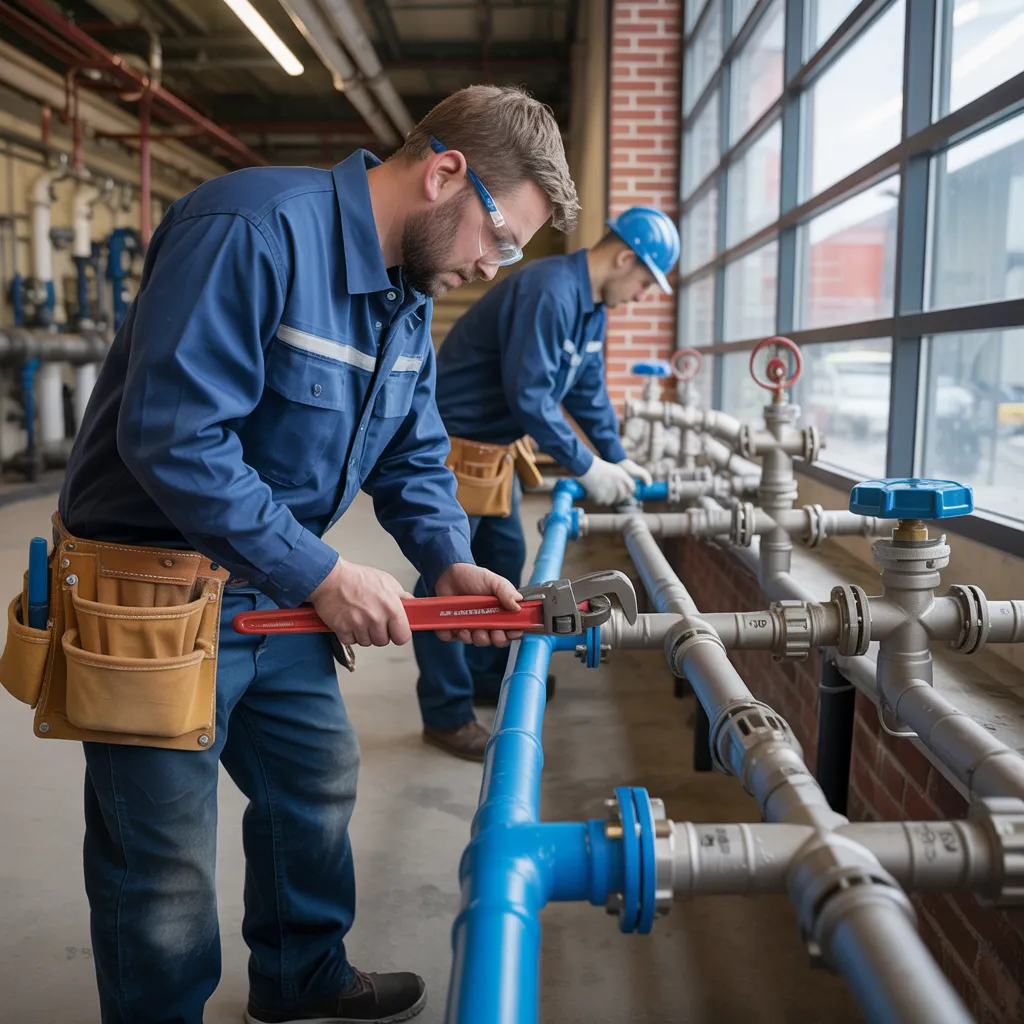
Why Dependable Plumbing Services Are Important for Your Home
When property owners focus on reliable plumbing services, they protect their property against substantial repairs and inconveniences. Proper plumbing is crucial for maintaining a functional household, as it directly influences water supply, drainage, and overall hygiene. A reliable plumber can diagnose issues early, averting minor leaks from developing into major water damage or mold growth. In addition, they verify installations, such as water heaters and pipes, adhere to local regulations and standards, which is critical for home safety. Residents benefit from routine maintenance checks that prolong the lifespan of plumbing systems and improve efficiency, ultimately lowering utility bills. In addition, a trustworthy plumbing service offers peace of mind, knowing that any emergency can be addressed promptly. This reliability cultivates a sense of security, allowing householders to focus on other important aspects of their lives without the constant worry of plumbing problems. Essentially, investing in dependable plumbing services is a proactive approach to homeownership.
Key Qualities to Search for in a Professional Plumber
Identifying a reputable plumber requires careful consideration of various key qualities that guarantee efficient service and peace of mind. Most importantly, a competent plumber should maintain a valid license and insurance, confirming they comply with local regulations and are insured for any mishaps. Experience is another critical factor; experienced plumbers are more adept at pinpointing problems and implementing permanent solutions.
Moreover, solid communication skills are essential, as they help the plumber to explain issues clearly and deliver transparent estimates. Trustworthiness and punctuality also matter; a consistent plumber honors the client's time and commitments.
Last but not least, favorable client feedback and reviews can act as indicators of a plumber's professional standing and service quality. By examining these attributes, homeowners can make informed decisions and choose a plumber who will successfully resolve their plumbing needs.
Discovering the Ideal Plumber for Your Needs
How can homeowners guarantee they pick the right plumber for their specific needs? To begin, they should assess the extent of their plumbing demands, whether it's a minor repair or a significant installation. Looking into local plumbers is vital; online reviews and testimonials can deliver insights into a plumber's credibility and quality of service. Homeowners should also validate credentials, ensuring the plumber is licensed, insured, and skilled in related areas. It's recommended to request quotes from various plumbers to assess pricing and services offered. Additionally, communication plays an important role; a plumber who hears concerns and explains solutions clearly can build trust. Finally, seeking recommendations from friends or family can assist in finding a reliable professional. By taking these steps, homeowners can feel more certain in their choice, confirming they receive quality plumbing services customized to their particular needs.
Standard Plumbing Concerns and How to Address Them
What plumbing problems do property owners face most often? Among the most prevalent issues are dripping faucets, obstructed drains, and running toilets. Worn washers or O-rings are usually the culprits behind leaky faucets and can be easily replaced. A plunger or combination of baking soda and vinegar may clear clogged drains, but more difficult blockages could necessitate a plumber's snake. Toilets that won't stop running are often caused by a worn flapper valve; replacing it usually solves the issue.
Another typical concern is low water pressure, which can frequently stem from sediment buildup in aerators or pipes. Homeowners can clean or replace these fixtures to enhance water flow. Finally, burst pipes during cold weather months can cause substantial damage; insulating pipes can help prevent this. Understanding these issues allows homeowners to take proactive measures, ensuring their plumbing systems function efficiently.
Comparing Local and National Plumbing Companies: Which Should You Choose?
When choosing between local and national plumbing services, multiple factors come into play. Service availability, pricing structures, and response time efficiency can significantly impact the decision. Understanding these elements helps homeowners select the option that best suits their needs.
Service Availability Factors
Although both local and national plumbing services provide distinct advantages, picking the right option depends on various factors, including the specific needs of the customer and the nature of the plumbing issue at hand. Local plumbing services often provide customized attention and more rapid response times, making them ideal for urgent repairs or smaller projects. Their knowledge of the community can also lead to tailored solutions that address specific local plumbing challenges. In contrast, national plumbing services typically boast extensive resources and standardized procedures, which may be beneficial for larger or more complex tasks. Customers should consider service availability in their area, as local businesses might be more accessible, while national chains typically have a more extensive reach, potentially offering more specialized services.
Pricing Structures Comparison
Understanding the pricing structures of local and national plumbing services is crucial for homeowners searching for the best value for their needs. Local plumbing services frequently provide competitive rates, reflecting lower overhead costs and a focus on community engagement. These providers may offer personalized services, potentially leading to more flexible pricing options. On the other hand, national companies usually have standardized pricing and may charge higher rates due to their extensive branding and operational costs. However, they often provide warranties and guarantees that can offer peace of mind. Homeowners should evaluate their specific plumbing needs, assess the potential for emergency services, and consider the balance between cost and reliability when deciding between local and national plumbing services.
Efficiency in Response Time
Response time efficiency stands as a critical element for homeowners reviewing plumbing services, specifically in critical situations. Local plumbing services commonly feature faster response times due to their nearness to clients, enabling them to reach homes promptly for urgent situations. In contrast, national plumbing companies might possess a broader reach but commonly experience delays resulting from centralized scheduling and larger service areas. Homeowners should examine the nature of their plumbing issues when choosing between local and national services. For immediate, localized emergencies, local plumbers frequently deliver superior response times. In contrast, national companies might offer extensive solutions for less urgent matters. Finally, evaluating response time efficiency can greatly impact the effectiveness of the plumbing service chosen.
The Impact of Customer Reviews on Choosing a Plumber
Consumer testimonials play a vital role in assessing the dependability and trustworthiness of plumbing services. They offer information about the quality of service that prospective customers can expect. By analyzing feedback from past clients, individuals can make educated choices when hiring a plumber.
Trustworthiness And Reliability
When picking a plumber, the credibility and reliability of a service provider often copyright on customer reviews. These reviews serve as a reflection of prior customer encounters, delivering insights into the plumber's timeliness, professionalism, and commitment to scheduled appointments. Positive feedback can boost a plumber's reputation, while negative reviews may raise red flags about potential problems. Prospective customers should concentrate on patterns in feedback, such as ongoing references of reliability or timeliness. Additionally, the volume of reviews can indicate overall satisfaction; a greater quantity of reviews generally signifies a more established service history. In the end, customer testimonials function as a valuable resource, leading individuals toward plumbers who have created a dependable and credible presence in the community.
Quality Of Service
Customer reviews often shed light on the quality of service offered by a plumber, showcasing distinct features of their work and technical proficiency. Such testimonials function as an important tool for prospective customers, providing perspectives on the plumber's dependability, promptness, and general professional conduct. Favorable comments can demonstrate a plumber's dedication to client contentment, whereas unfavorable assessments might expose problems with punctuality or quality of work. Additionally, reviews often discuss the clarity of communication and the thoroughness of service, allowing customers to gauge what to expect. By meticulously analyzing these reviews, customers can arrive at well-informed choices, confirming they pick a plumber whose work quality corresponds with their demands and expectations, finally achieving a satisfactory resolution of their plumbing problems.
Advice for Keeping Up Your Plumbing System In Between Services
Although plumbing professionals play an essential role in maintaining a property's system, homeowners can also take proactive steps to guarantee their plumbing remains in good condition between services. Frequently checking for leaks is crucial; even minor drips can result in significant water loss and damage. Homeowners should check pipes, faucets, and toilets for any signs of moisture or corrosion.
Moreover, preserving proper water pressure is crucial. Setting up a pressure gauge can help monitor levels, avoiding undue stress on pipes. Homeowners should also be mindful of what goes down their drains; preventing grease, hair, and foreign objects can avert clogs.
Last but not least, routinely flushing the water heater and ensuring all fixtures are clean can improve overall efficiency. By adopting these simple maintenance practices, homeowners can lengthen the life of their plumbing systems and reduce the need for emergency repairs, ultimately saving time and money.
Questions & Answers
How Much Can You Expect Plumbing Services to Cost?
Plumbing services generally range from $45 to $200 per hour, determined by the nature of the task and location. Additional costs for materials and emergency calls may also apply, affecting the total expense substantially.
What Training Should a Plumber Have Completed?
An experienced plumber ought to hold current licensing, recognized certifications, and hands-on experience. Additionally, knowledge of local building codes, expertise in plumbing systems, and solid problem-solving skills are essential for start now successful service delivery in the profession.
How Can I Prevent Plumbing Emergencies?
To avoid plumbing emergencies, regular maintenance checks, timely leak repairs, adequate disposal of waste, insulation of pipes to prevent freezing, and awareness of water pressure can substantially reduce risks and deliver a reliable plumbing system.
Do Plumbers Offer Warranties on Their Work?
Many plumbers do offer warranties on their work, usually including work performed and materials used for a designated timeframe. This assurance provides clients reassurance, confirming that any problems can be addressed without further expenses.
What Actions Should I Take in a Plumbing Emergency?
During a plumbing crisis, it's essential to quickly turn off the water source, examine the problem, and get in touch with a qualified plumber for immediate support. Quick action can minimize damage and prevent further complications.